

gracielao1661
About gracielao1661
The High Cost of Luxury: Understanding Private Plane Expenses Per Hour
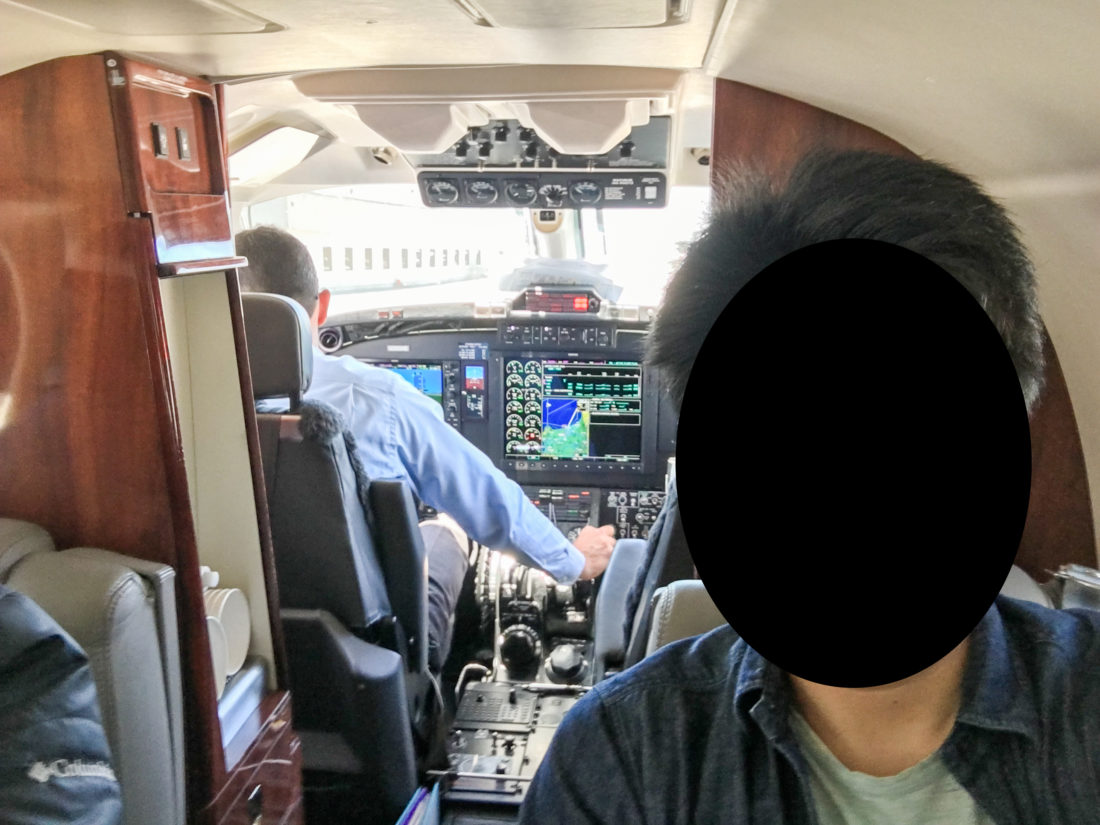
In the world of luxury travel, private planes symbolize the pinnacle of comfort, convenience, and exclusivity. However, the allure of flying privately comes with a hefty price tag. As more individuals and corporations seek the flexibility and privacy that private aviation offers, understanding the costs associated with chartering or owning a private plane becomes essential. This article delves into the various factors influencing the hourly costs of private flights, providing a comprehensive overview for potential travelers and aviation enthusiasts alike.
The Basics of Private Plane Costs
When discussing the cost of private planes, it’s crucial to differentiate between ownership and chartering. The hourly cost of a private flight can vary significantly depending on whether you are leasing a plane for a single trip or owning one outright. On average, chartering a private jet can range from $1,200 to over $10,000 per flight hour, depending on the type of aircraft and additional services required.
Types of Private Aircraft
The cost of flying privately is heavily influenced by the type of aircraft. Here’s a breakdown of common categories:
- Light Jets: These are the smallest jets, ideal for short trips. Examples include the Cessna Citation Mustang and the Embraer Phenom 100. The hourly cost for light jets typically ranges from $1,200 to $3,000.
- Midsize Jets: Midsize jets like the Hawker 800XP and the Citation XLS offer more space and range. Their hourly rates generally fall between $2,500 and $5,000.
- Heavy Jets: Designed for long-haul flights, heavy jets such as the Gulfstream G550 and Bombardier Global Express can accommodate more passengers and cargo. The cost of flying these jets can range from $5,000 to $10,000 per hour.
- Airliners and VIP Airliners: For those seeking ultimate luxury, larger airliners like the Boeing Business Jet (BBJ) or Airbus ACJ can be chartered, with hourly costs exceeding $10,000.
Additional Costs to Consider
While the hourly rate is a significant factor, it is not the only cost associated with private flying. Various additional expenses can inflate the total cost of a flight:
- Fuel Costs: Fuel prices fluctuate, and depending on the aircraft’s size and efficiency, this can significantly impact overall costs.
- Landing Fees: Airports charge landing fees, which vary by location and the size of the aircraft. Private jets often incur higher fees at major international airports.
- Crew Expenses: The cost of hiring pilots and cabin crew must also be considered. This can add several hundred dollars per hour to the total cost.
- Maintenance and Insurance: For aircraft owners, ongoing maintenance and insurance are substantial costs that must be factored into the overall expense of ownership.
- Catering and Ground Services: Luxury catering and ground transportation services can add to the total cost, depending on the client’s preferences.
Cost-Effective Alternatives
For those who find the costs of private flying prohibitive, there are several alternatives that still offer some level of convenience and luxury:
- Jet Cards: Jet cards allow travelers to pre-purchase flight hours at a fixed rate, making budgeting easier. These cards can provide access to a fleet of aircraft without the need for ownership.
- Fractional Ownership: This model allows individuals to buy a share of an aircraft, providing access to a private jet for a fraction of the cost of full ownership.
- Membership Programs: Many companies offer membership programs that provide access to private jets at reduced rates, catering to those who fly infrequently but still desire the benefits of private aviation.
The Environmental Impact
As the demand for private aviation grows, so does the scrutiny over its environmental impact. Private jets have a larger carbon footprint per passenger compared to commercial airlines. This has prompted some companies to explore sustainable aviation fuels and more efficient aircraft designs, aiming to reduce the environmental impact of private flying.
The Future of Private Aviation Costs
The landscape of private aviation is evolving. With advancements in technology, including electric and hybrid aircraft, the industry is exploring ways to reduce operating costs and environmental impacts. As these technologies become more mainstream, the costs associated with private flying May change, making it more accessible to a broader audience.
Conclusion
Flying privately offers unparalleled convenience and luxury, but it comes at a significant cost. Understanding the various factors that influence the hourly rates of private flights can help potential travelers make informed decisions. Whether chartering a jet for a special occasion or considering fractional ownership, the world of private aviation offers options tailored to individual needs and budgets. As technology continues to advance and the industry adapts to changing demands, the future of private flying May hold new possibilities for those seeking the ultimate travel experience.
No listing found.